Founder, Holly Hirshberg, is a 2011 CNN HERO
End Hunger through Gardening!
The Dinner Garden is working to end hunger in the United States through home and community gardening. We are striving to create one garden for every six Americans.
You can grow your own food!
Are you new to gardening? Are you concerned you won't be able to garden or can't afford it? Remember, people were growing their own food long before gardening stores were invented! Human civilization began because people started gardening instead of foraging for food. They had seeds, dirt, and water. So if you have dirt and water, we'll provide the seeds!
Those gardening catalogs and stores are lovely, and there are definitely products that make gardening easier and plants grow faster. BUT, you don't need those products to grow enough food for your family.
Our Dinner Gardeners are really creative when it comes to growing food with no extra money to spend. They grow in old pots, milk jugs, discarded baby pools, boxes lined with plastic bags and holes for drainage, old coolers, coffee cans, soda bottles, and cartons. They make their own compost for fertilizer out of yard clippings, bags of leaves people leave by the road, and kitchen waste. They make seed starting pots out of discarded paper. They collect rainwater and rinse water for their plants.
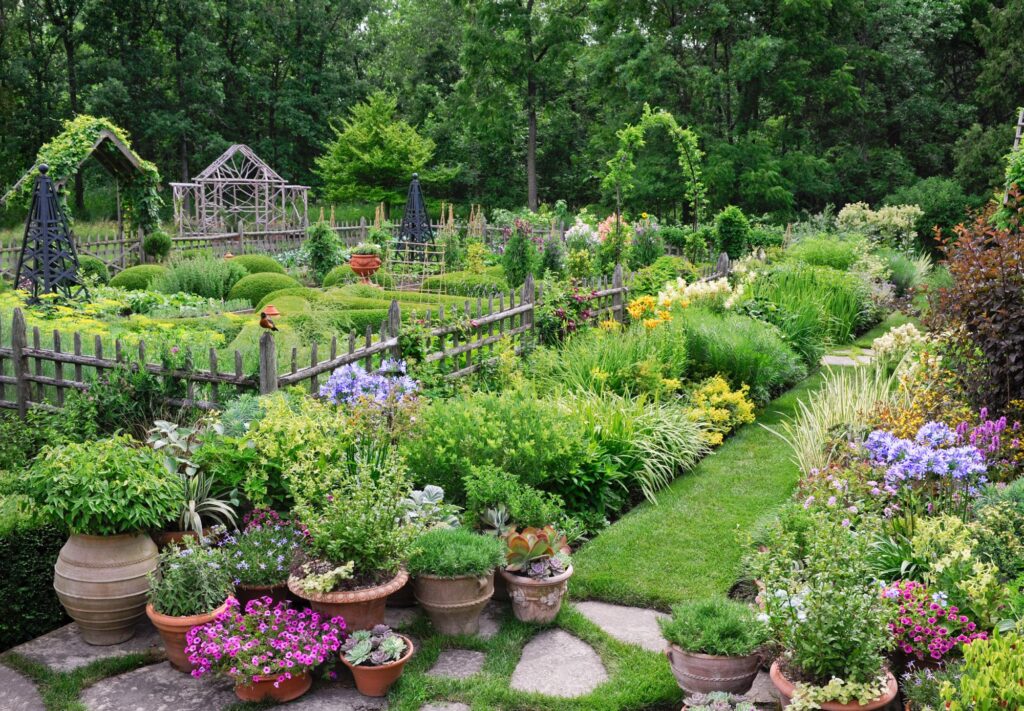
We have gardeners who plant in their front and back yards. We also have gardeners who have no yards and who grow veggies in every available window in their house or in pots on their patios.
Don't be tricked into thinking you are not a gardener. We are all gardeners. Anyone can grow their own food. The seeds do all the work!
We have advice and tips on our website to help you be successful. Read our Dinner Garden Planting Guide for information on summer and winter crops, seed planting depths, plant spacing, and germination temperatures. We have a new page devoted to seed saving. Our partner, World Food Garden has a wealth of information on gardening, such as what plants grow in your area and when you should plant your seeds. They have free gardening mentors to offer advice. You can always email as at info@dinnergarden.org with any questions you have!
Our Mission to End Hunger
The Dinner Garden provides seeds, gardening supplies, and gardening advice free of charge to all people in the United States of America. We assist those in need in establishing food security for their families. Our goal is for people to plant home, neighborhood, and container gardens so they can use the vegetables they grow for food and income.
Since beginning our mission in early 2009, we have provided seeds to over 48,000 families and over 120 community gardens! We have reached into all 50 states, from Maine to Hawaii and Texas to Alaska! Our volunteers and partners are hard at work, packaging and delivering seeds in many of these states. We have received donations from all over the country from individuals. We have also received seeds, gardening supplies, and cash donations from numerous companies. Check them out on our Friends of the Dinner Garden Page. Needless to say, we are overjoyed by the requests for seeds, the donations, and the volunteer outpouring we have seen in these few short months. We are also very pleased to have been featured in several news articles. The Dinner Garden has even made it to television! Check it out here!
We are always in need of donations to support our cause! We are a 501(c)(3) non-profit corporation, so your donations are tax deductible. Click the link below to donate to The Dinner Garden!
I got seeds from The Dinner Garden, now what?
1) Go to World Food Garden to find the exact planting times for your zipcode. Planting at the right time for your area is essential for gardening success. While you are at World Food Garden, you will see they also have gardening tutorials, gardening mentors, and seed swaps all for FREE!
2) Container Gardening? Check out Urban Organic Gardener and Life on the Balcony. These websites offer support, advice and inspiration for people who garden in containers.
3) Left over produce from your harvest? Hop on over to Ampleharvest.org. On their website, enter yourzipcode and they will tell you the closest food pantry accepting donations. You will be able to share fresh fruit and veggies with people right in your own neighborhood!
4) Want to save seeds from your veggies to plant next year or to donate back to The Dinner Garden? Check out this detailed guide to How to Save Seeds from our friends at Home Grown Edible Landscapes.
5) Let us know how your garden turned out! We love to hear your gardening stories and see your garden pics! The more info you send us, the more we can share with our donors and help more people get growing! You can contact us at info@dinnergarden.org
Dinner Garden seeds are sorted and packed for mailing by The Arc of San Antonio.
History of Home Gardens
The concept of home and community gardening is not new. However, this kind of gardening has fallen out of practice. The inspiration for this project grew out of two things. First, the economy is in bad shape. We know many people who have lost their jobs and are struggling to make it. They are cutting costs wherever they can. When they've stripped their budgets as far as they can go, they are left with deciding between food and rent or food and medicine.
History was our second inspiration. In World War I and World War II, families in the United States and Britain planted Victory Gardens due to shortages in food and labor. Food at the market was rationed, so families went without many essentials. In both wars, the United States provided food for soldiers and civilians in Europe where farmers had joined the war and their land had been turned into battlegrounds.
To provide that food, backyards, school playgrounds, churches, empty lots, and even roof tops became gardens. In 1918, the United States had 5,285,000 gardens. The 1919
harvest produced 528,500,000 pounds of food. During WWII, Americans planted 20,000,000 gardens, or one garden for every seven Americans. Those gardens grew 20 billion pounds of produce.
Start at the Beginning
Victory gardeners used any available space. Today, we have plenty of space. Americans have lawns filled with grass, vacant lots, schools and churches with wide open yards, median strips, and public parks.
Patios and decks easily become gardens. Take a container, add some dirt, plant a seed, and place it on the front porch. Fill the front porch with potted plants, and you have the equivalent of a garden plot.
All of this food starts with a seed. A head of lettuce from one seed costs between $2.00 to $3.00. A pound of squash will cost you $2.00 to $3.00. One squash seed will produce several pounds of squash. Tomatoes run $1.00 to $2.00 per pound. One seed will produce around 40 pounds of tomatoes. Carrots cost about $1.00 per pound, or about $.20 a carrot.
250 Beefsteak tomato seeds cost us $9.00. We pay $18.00 for 216,000 carrot seeds. Lettuce is $16.00 for 372,000 seeds. 7,350 squash seeds cost $18.00. That equates to paying $9.00 for 10,000 pounds of tomatoes, $18.00 for 216,000 carrots, $16.00 for 372,000 heads of lettuce, and $18.00 for 110,250 pounds of squash. For this example, the retail price for all this produce is $1,263,825. So for $61 in seeds, we can grow about $1.3 million worth of vegetables.
For the general public, growing a garden is an expense. To many, that expense to simply too great. A pack of seeds from the store can cost $1.00 to $3.00. Containers, dirt, fertilizer, and mulch add $20 to $100 more. That is why we started The Dinner Garden. We provide those seeds for free. We show you ways to garden with the materials you have around the house, like milk jugs for containers, kitchen scraps for fertilizer, and free mulch from the dump. As we grow, we will provide free supplies. We are also your source for gardening information. Check out our numerous resources on plants, seeds, pests, and cooking and preserving your produce. Be sure to check out our partner, www.worldfoodgarden.org for gardening advice, tips, and free gardening mentors!
You don't have to travel back very far in history to find a time when all of this was a regular way of life. Perhaps your mother and father canned vegetables. Maybe you had a garden of potatoes behind your house when you were a child. We hope to see home vegetable and fruit production to become a part of life again.
If you need seeds or have a gardening question, contact us. Do you want to donate to our cause? We accept anything, including your time (we always need people packing and shipping seeds). We are a 501(c)(3) non-profit corporation, so your donations will be tax deductible!